If you want luxury without giving up privacy, Cherry Hills Village tends to stand out fast. This is one of the Denver area's most estate-oriented communities, and that matters when you are looking for land, design flexibility, and a quieter residential setting. Whether you are comparing it to Greenwood Village, Cherry Creek, or other south metro options, understanding how lots, architecture, and lifestyle come together here can help you make a smarter move. Let’s dive in.
Why Cherry Hills Village Feels Different
Cherry Hills Village is a small home-rule city in Arapahoe County just south of Denver, and its identity is very intentional. The city describes itself as a safe, serene, low-density residential community and says it plans to preserve that character through regulations, planning, and land-use decisions.
That vision shows up in the numbers too. The city’s 2024 population estimate is 6,349, owner-occupied housing is 97.0%, median household income is above $250,000, and median owner-occupied home value is above $2,000,000. For you as a buyer, that points to a highly residential market with strong demand for long-term ownership and estate-style living.
Lot Sizes Shape the Luxury Experience
In Cherry Hills Village, lot size is one of the biggest parts of the story. The city’s zoning framework is built around low density, which helps create the open, private feel many luxury buyers want.
Current city materials show R-1 lots with a 2.5-acre minimum, R-2 at 1.25 acres, and R-3 at 1 acre. Even where lot sizes are smaller, the city still relies on setbacks and lot-coverage standards that support breathing room between homes.
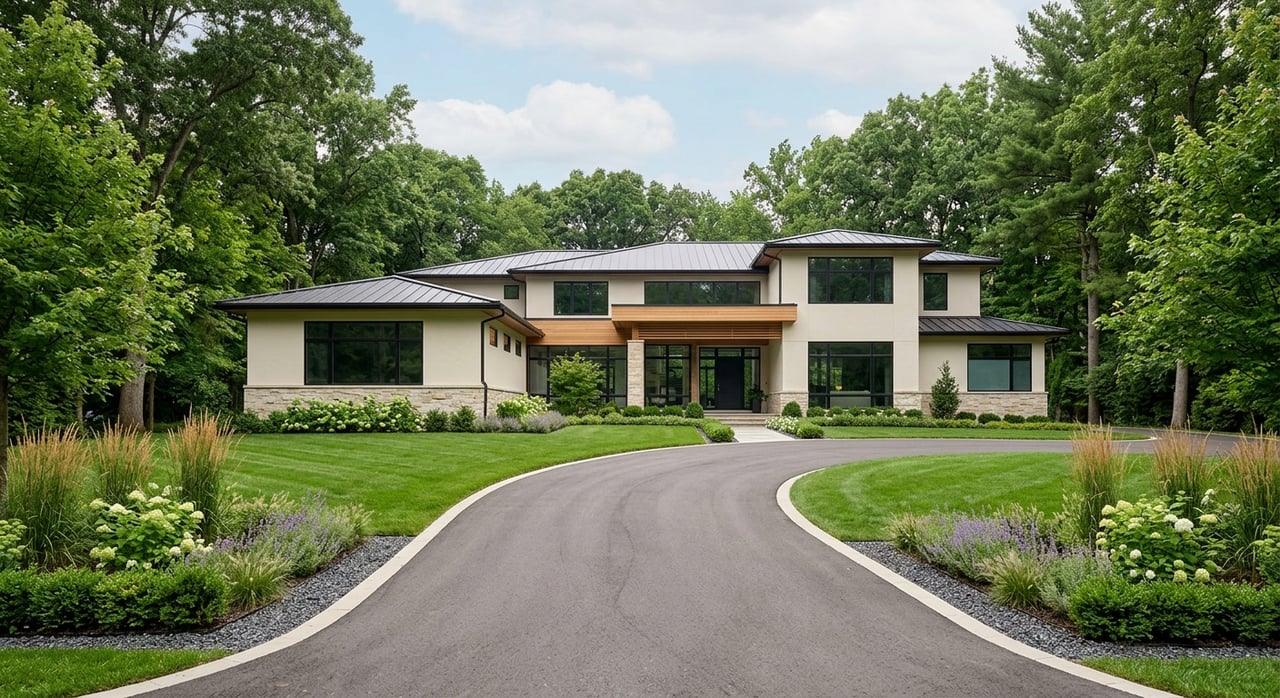
That has a real effect on how the area feels when you drive through it. Streets often read more like private residential lanes than dense suburban blocks, with mature landscaping, larger setbacks, and homes that sit comfortably on their parcels.
What Large Lots Mean for You
A larger lot can change both your daily lifestyle and your long-term options. You may have more room for outdoor living, privacy, detached structures, or future improvements, depending on the property and zoning.
City materials also note that parcels of 5 acres or more may allow larger accessory structures. That can matter if you are looking for space for a guest house, detached garage, pool, or similar amenities.
Why the Streetscape Feels So Spacious
Cherry Hills Village does not just happen to look open. Its planning language emphasizes mature trees, natural landscaping elements, open spaces, tasteful fencing, and custom homes with differentiating design elements.
Homeowners are also responsible for maintaining landscaping in the right-of-way, which helps support a polished and consistent streetscape. Combined with city attention to street maintenance, sweeping, and snow removal, the result is a calm, well-kept residential environment.
Home Design Is Varied, Not Cookie-Cutter
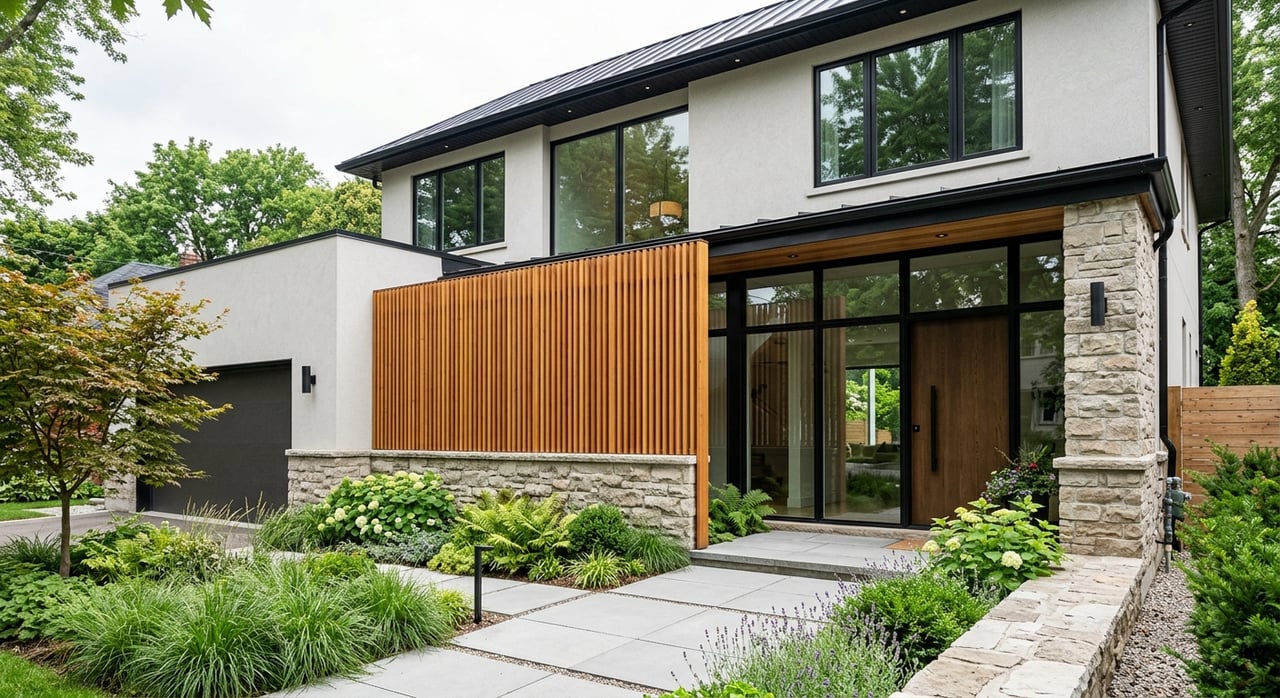
One of the most appealing parts of Cherry Hills Village is that it does not feel formulaic. You are not walking into a neighborhood built around one architectural template or one era of development.
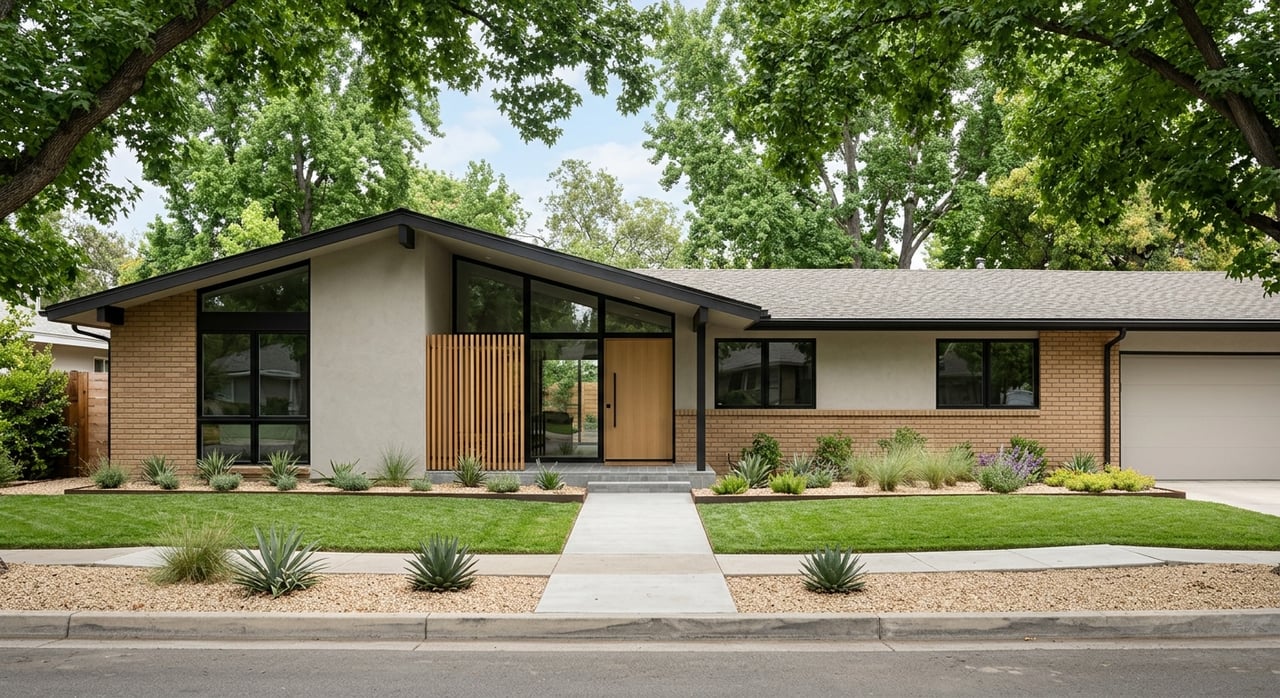
City planning documents describe a mix of settings. Some areas have linear-grid streets and smaller one-story ranch-style homes, while others feature curving streets, irregular or larger lots, and newer, larger custom structures.
For buyers, that usually means you will find a range of options such as:
- Older ranch homes with renovation potential
- Traditional homes that have been expanded or updated
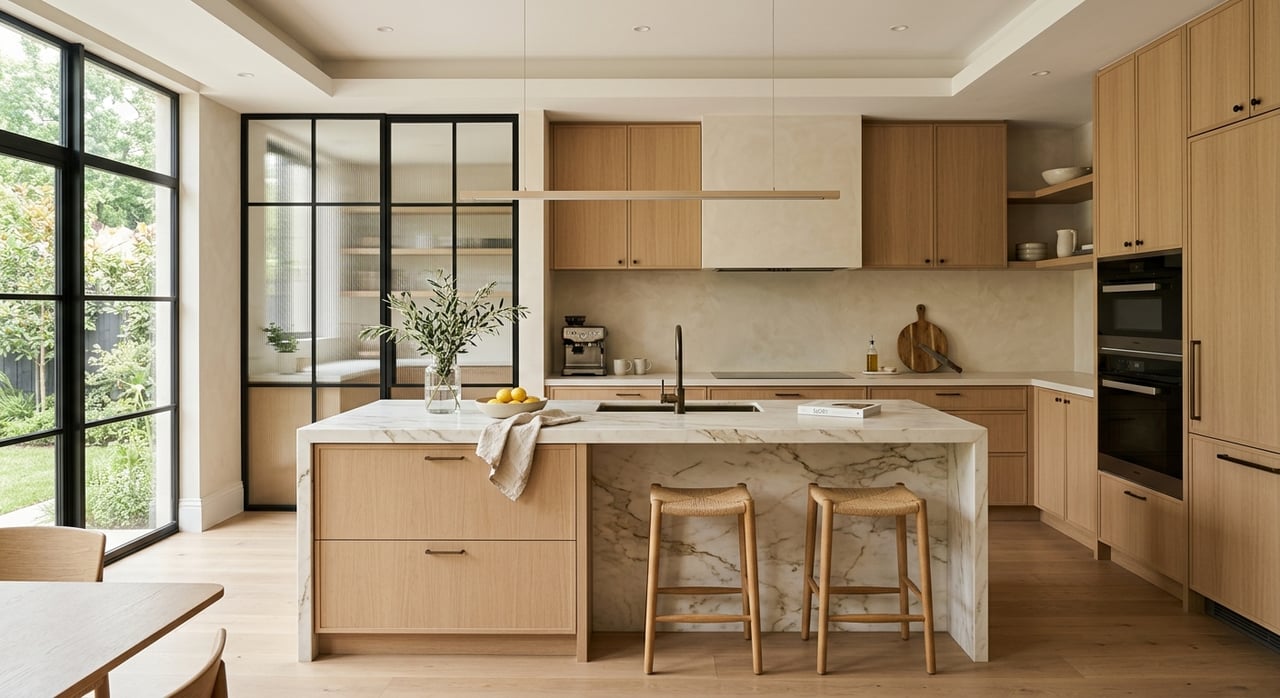
- Newer custom builds with more modern scale and finishes
- Estate properties where lot size is a major part of the value
Design Review Helps Preserve Character
Cherry Hills Village places real importance on compatibility and long-term character. Its planning and zoning division reviews building permits and development applications for consistency with the master plan.
That does not make every home look the same. Instead, it helps maintain the overall look and feel of the community over time, especially in a market where teardowns, remodels, and new custom construction can all be part of the mix.
The Lifestyle Is Quiet, Active, and Outdoors-Oriented
Luxury in Cherry Hills Village is not only about square footage or finishes. It is also about how you live day to day.
The city says residents enjoy more than 34 miles of trails, the High Line Canal, 47 acres of parks and open space, two world-class golf courses, an active public arts program, and three schools. Taken together, those features support a lifestyle that feels more residential and outdoors-focused than commercial or high-traffic.
Trails and Open Space Matter Here
The High Line Canal is a major part of the local experience. The city describes the corridor through Cherry Hills Village as scenic and peaceful, and it is resurfacing the full 3.75-mile segment that runs through the village.
If you value walking, biking, or simply having access to open-air recreation close to home, this is a meaningful part of the area’s appeal. It adds to the sense that daily life here moves at a different pace than in more urban luxury districts.
Golf and Club Culture Add to the Appeal
Cherry Hills Country Club and Glenmoor Country Club are both located in Cherry Hills Village. That gives the area a strong golf and club identity, even though the overall community remains primarily residential.
For some buyers, that is a major draw. Even if club membership is not your focus, the presence of these established courses contributes to the area’s prestige and landscape character.
Commuting and Location Advantages
Cherry Hills Village offers a quieter setting without feeling disconnected from the broader metro. It sits just south of Denver and next to a larger south metro employment corridor.
Nearby Greenwood Village is immediately south of Denver and includes major business parks, with a daytime population of about 38,500. South Metro Fire Rescue also explicitly serves employment centers including the Denver Tech Center, Inverness, and Meridian Office Park, which supports the practical appeal of Cherry Hills Village for professionals who want more land and privacy without giving up access to job centers.
Cherry Hills Village vs Nearby Alternatives
If you are deciding where to focus your search, it helps to understand what Cherry Hills Village is and what it is not. On the south side of the Denver metro, it fills a very specific lane.
| Area | Best Known For | Overall Feel |
|---|---|---|
| Cherry Hills Village | Privacy, land, estate living, trails, golf | Quiet, low-density, residential |
| Greenwood Village | Parks, trails, business access, mixed-use setting | Suburban with stronger business presence |
| Cherry Creek | Shopping, dining, luxury retail | Urban, active, retail-centered |
Greenwood Village is the closest comparison, but it is larger and more mixed-use, with 8.3 square miles, 15,691 residents, a daytime population of about 38,500, and more than 440 acres of parks, trails, and open space along with roughly 40 miles of trails. Cherry Creek is different again, with a stronger emphasis on shopping, dining, and urban luxury.
If your priority is a quieter, more private, more estate-oriented environment, Cherry Hills Village often stands apart.
What Luxury Buyers Should Watch Closely
In a market like Cherry Hills Village, the headline price is only part of the picture. You also want to look closely at lot utility, setbacks, existing improvements, and how the home fits into its immediate surroundings.
A property with similar square footage can feel very different depending on lot placement, tree cover, privacy, outdoor living potential, and whether the home is an original residence, a major remodel, or a newer custom build. In this kind of market, neighborhood nuance matters.
Key Questions to Ask
Before you move forward on a home here, it helps to ask:
- How large is the lot, and what zoning district applies?
- How much privacy does the parcel really offer in practice?
- Is the home primarily original, remodeled, or newly built?
- How do setbacks, landscaping, and neighboring homes affect the feel?
- Does the property support the lifestyle features you want most?
Those details can shape both your enjoyment of the property and its long-term value.
Why Strategy Matters in This Market
Cherry Hills Village is not a market where broad assumptions work well. Because the housing stock is varied and lot characteristics matter so much, buying or selling here usually calls for a more tailored approach.
If you are buying, you want clear guidance on property-level differences that may not be obvious in listing photos alone. If you are selling, thoughtful pricing and positioning matter because buyers in this segment often compare design, lot quality, privacy, and lifestyle features very carefully.
When you understand how land, design, and lifestyle intersect in Cherry Hills Village, you can make more confident decisions and avoid treating a highly nuanced market like a standard suburban search.
If you are considering a move in Cherry Hills Village or comparing it with other Denver-area luxury neighborhoods, Gregory Ramsey can help you evaluate the details that matter most and build a smart plan around your goals.
FAQs
How large are lots in Cherry Hills Village luxury neighborhoods?
- City materials show R-1 lots with a 2.5-acre minimum, R-2 at 1.25 acres, and R-3 at 1 acre, with other districts still shaped by setbacks and lot-coverage limits.
What types of homes are common in Cherry Hills Village?
- You can expect a mix of older ranch-style homes, traditional houses, remodeled properties, and newer custom builds rather than one uniform neighborhood style.
What makes Cherry Hills Village feel private?
- The city preserves a low-density residential character through zoning, setbacks, planning standards, mature landscaping, and open-space-oriented design.
What lifestyle amenities define Cherry Hills Village?
- Key lifestyle features include more than 34 miles of trails, the High Line Canal, 47 acres of parks and open space, two golf courses, and a calm residential setting.
How does Cherry Hills Village compare with Greenwood Village and Cherry Creek?
- Cherry Hills Village is generally the most estate-oriented and private of the three, while Greenwood Village is more mixed-use and business-adjacent, and Cherry Creek is more urban and retail-focused.