Wondering whether Platt Park or the south suburbs fit your life better? It is a smart question, because these areas can feel very different from one another even though they are all part of the greater Denver metro. If you are weighing walkability, home style, commute patterns, outdoor access, and day-to-day convenience, this guide will help you sort through the tradeoffs with more clarity. Let’s dive in.
Platt Park sets the urban baseline
If you start with Platt Park, you are looking at an inner-south Denver neighborhood, not a suburb. The Platt Park People’s Association describes the area within Broadway, Downing, I-25, and Evans, serving nearly 3,000 homes and businesses. Denver planning materials describe much of the neighborhood south of Mississippi as an Area of Stability with single-family homes, duplexes, a neighborhood park, and an elementary school.
Platt Park stands out most for how easy daily life can feel without getting in your car for every errand. Walk Score rates the neighborhood at 85 for walkability, 57 for transit, and 84 for biking. South Pearl Street adds to that appeal with locally owned shops, restaurants, and seasonal events along a historic commercial corridor.
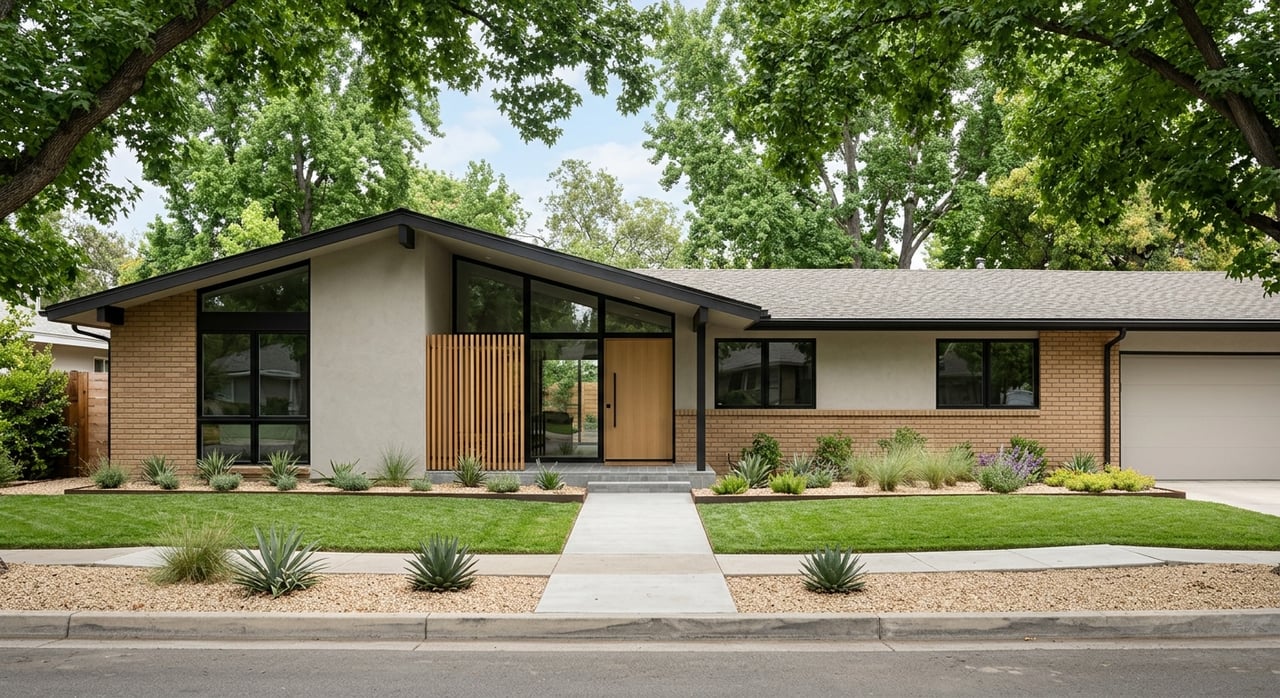
This is also an older housing area with visible character. Historic Denver identifies Platt Park as one of Denver’s neighborhoods with a large number of small-scale single-family homes built from 1905 to 1929. If you are drawn to established blocks and a more traditional neighborhood fabric, that can be a major plus.
At the same time, Platt Park is not frozen in place. Historic Denver notes preservation efforts tied to South Pearl Street as the area faces infill and demolition pressure. That means you may get the charm of an established neighborhood, but you should also be comfortable with some change around the edges.
South suburbs offer a different rhythm
When buyers compare Platt Park with the south suburbs, they are usually comparing two different daily routines. In Platt Park, your lifestyle may center on walking to coffee, dining, nearby retail, and light rail access through the Louisiana/Pearl station. In the south suburbs, life often revolves more around driving, larger neighborhood footprints, and a stronger emphasis on private outdoor space, trails, and planned amenities.
That difference is not automatically good or bad. It comes down to how you actually want to spend your time each week. Some buyers love the energy and convenience of a walkable neighborhood, while others prefer a quieter residential setting with more separation between home and commercial activity.
Littleton is the middle-ground option
If you want a suburban location but do not want to give up urban elements completely, Littleton is often the closest compromise. The city’s comprehensive plan describes several character types, including suburban residential areas, residential mix areas, and an Urban Downtown Mixed Use core that is the most pedestrian-oriented part of the community. In practical terms, that means Littleton can feel quite different depending on where you are.
Its downtown core is the strongest draw for buyers who want more charm and walkability in a suburban setting. The city describes downtown as the area most conducive to pedestrian activity and notes that it includes some of the community’s most historic sites and districts. Littleton also has RTD light-rail stations at Downtown and Mineral.
Still, Littleton is less walkable overall than Platt Park. Walk Score rates Littleton at 40, with a transit score of 29. Once you move away from the historic core, the pattern becomes more auto-oriented and less compact than what you see in Platt Park.
For many buyers, that is exactly the point. Littleton can offer more space and a quieter feel while still preserving pockets of walkability and a more established downtown experience. If you want balance, Littleton often deserves a close look.
Centennial feels classically suburban
Centennial is a stronger suburban contrast to Platt Park. The city’s transportation plan describes residential grids, low-density residential areas with curvilinear streets, suburban business districts, and rural or open spaces. That pattern tends to create a more spread-out lifestyle with activity centered around driving.
The commute data reinforces that. According to the city’s transportation plan, 78.6 percent of workers drove alone, while 2.9 percent used public transportation, 1.2 percent walked, and 0.4 percent biked. Walk Score rates Centennial at 35, with a transit score of 21 and a bike score of 46.
What Centennial offers in return is a different kind of daily comfort. The city says it has more than 100 parks, 100 miles of trails, and more than 4,000 acres of open space. If your ideal weekend includes neighborhood trails, larger residential areas, and a more traditional suburban layout, Centennial may feel like a better fit than Platt Park.
Highlands Ranch is the most structured choice
Highlands Ranch takes suburban living a step further. It is an unincorporated Douglas County community, and the Metro District describes it as a 22,000-acre master-planned community with about 103,400 residents, roughly 30,000 single-family homes and 9,000 multi-family units, 2,644 acres of open space, 70-plus miles of trails, and 26 parks. The Highlands Ranch Community Association also notes four private recreation centers and the Back Country Wilderness Area.
This is the most amenity-heavy and formally managed option in the comparison. That can appeal to buyers who want a community with strong recreation infrastructure and a more organized environment. It is a very different model from Platt Park, which centers more on neighborhood identity, historic character, and street-level retail.
The tradeoff is car dependence. Walk Score rates Highlands Ranch at 28, which puts it far from Platt Park’s walkable profile. If you value neighborhood activity within a short walk, Highlands Ranch will likely feel less convenient for that kind of routine.
How daily life changes by location
One of the clearest ways to compare these areas is to think about what an ordinary Tuesday looks like. In Platt Park, it may be realistic to walk or bike to shops, restaurants, or transit. In Littleton, that may be possible in or near downtown, but less likely in more suburban sections.
In Centennial and Highlands Ranch, errands and activities are more often spread across a wider area. That usually means more time in the car, but it can also mean more space, newer planning patterns, and easier access to parks, trails, and neighborhood amenities. The better choice depends on which tradeoff matters more to you.
Home style and neighborhood feel
Housing style is another major decision point. Platt Park is known for older small-scale housing and an established street grid, which can attract buyers who want character and a more connected neighborhood setting. It may also appeal to those who value proximity to a historic commercial spine like South Pearl Street.
Littleton gives you a mix. Some areas lean historic and pedestrian-friendly, while others reflect more standard suburban development patterns. That flexibility can make it attractive if you are not ready to choose one extreme or the other.
Centennial and Highlands Ranch generally align more with lower-density, automobile-oriented patterns. The research does not provide an apples-to-apples lot size comparison, but the official land use descriptions point in a clear direction: more suburban form, more separation of uses, and a greater likelihood of prioritizing yard space, garages, and residential quiet over walkable retail access.
The key tradeoffs to ask yourself
If you are trying to narrow the field, these questions usually get to the heart of the choice:
- How often will you actually use walkability? If walkable dining, errands, and transit matter every week, Platt Park stands apart.
- Do you want historic housing character or a more suburban home form? Platt Park leans older and established, while Centennial and Highlands Ranch lean more suburban in feel.
- How important are yard and garage space? Buyers willing to trade some space for location often prefer Platt Park. Buyers who want more room often lean south.
- Are you comfortable with community management structures? Highlands Ranch is the clearest fit for buyers who like a highly managed, amenity-rich environment.
- Do you want a middle option? Littleton often works well when you want some walkability and character without fully committing to urban living.
Which area fits which buyer
Platt Park often fits buyers who want an urban Denver lifestyle with strong walkability, an established housing stock, and access to neighborhood retail and transit. If you want your surroundings to feel connected, active, and locally rooted, it checks many of those boxes.
Littleton often works for buyers who want options. You can target a more walkable historic core or choose a more suburban area depending on your priorities. That flexibility makes it one of the most practical crossover markets in the south metro.
Centennial usually fits buyers who want a classic suburban setup with broad residential areas, strong trail and park access, and a car-oriented routine that feels familiar and straightforward. Highlands Ranch tends to appeal to buyers who want recreation infrastructure, open space, and a more formally planned community environment.
Making the right move for your lifestyle
There is no universal winner in a Platt Park versus south suburbs comparison. The right answer depends on whether you value walkability, historic character, extra space, trail access, or structured community amenities most. The key is to match the home search to the way you actually want to live, not just the way a neighborhood looks on paper.
If you want help sorting through Platt Park, Littleton, Centennial, or Highlands Ranch with a clear strategy and local perspective, connect with Gregory Ramsey for thoughtful guidance on buying or selling in the Denver metro.
FAQs
How walkable is Platt Park compared with Littleton, Centennial, and Highlands Ranch?
- Platt Park is the most walkable of the group, with a Walk Score of 85, compared with 40 for Littleton, 35 for Centennial, and 28 for Highlands Ranch.
What kind of lifestyle does Littleton offer compared with Platt Park?
- Littleton offers a middle-ground lifestyle, with a more pedestrian-friendly historic downtown core and more auto-oriented suburban areas outside that core.
Is Centennial more suburban than Platt Park?
- Yes. Centennial’s planning documents describe a lower-density, more car-dependent pattern with curvilinear streets, suburban business districts, and broad park and trail access.
What makes Highlands Ranch different from Platt Park?
- Highlands Ranch is a large master-planned community with extensive open space, trails, parks, recreation centers, and a more formal community-management structure.
What should you consider when choosing between Platt Park and the south suburbs?
- Focus on how much you value walkability, housing character, yard and garage space, access to trails and amenities, and whether you prefer an urban neighborhood feel or a more structured suburban routine.