If you are thinking about selling in Centennial 80015, timing matters, but preparation matters just as much. This ZIP code is active by Denver-metro standards, yet buyers still have choices and tend to respond best to homes that feel clean, updated, and well cared for. If you want a smoother launch and stronger early interest, a clear prep timeline can help you avoid last-minute stress and costly missteps. Let’s dive in.
Why prep early in 80015
Centennial 80015 has been moving at a fairly brisk pace compared with the broader metro, but that does not mean every home sells instantly. Market data varies by source, and current reports suggest an active, competitive environment rather than a market where sellers can skip pricing discipline or presentation.
That matters because buyers have been favoring homes with updated finishes and well-maintained systems. Denver Metro market reporting also shows that homes priced well and presented well are holding their value better, even as inventory remains elevated and buyers gain a bit more leverage.
In other words, your goal is not just to list quickly. Your goal is to launch when your home is fully ready, with the right price, the right disclosures, and the right presentation.
Your seller timeline
8 to 12 weeks before listing
This is the strategy phase. It is the best time to map out your goals, talk through timing, and decide what work is worth doing before you go live.
In Colorado, brokerage disclosure should happen at the earliest reasonable opportunity and before confidential information is discussed. That makes your first consultation an important starting point for setting expectations around representation, communication, pricing approach, and target timing.
This is also when you should review local market conditions, recent comparable sales, and current inventory. A data-driven pricing strategy works better than relying on what a nearby home sold for a year or two ago, especially in a market where buyer expectations can shift quickly.
A pre-sale inspection is not required, but it can be useful. It may uncover issues with the roof, structure, plumbing, electrical, HVAC, insulation, fireplace, mold, radon, or other systems before a buyer finds them during contract.
You should also start gathering disclosure information early. Colorado’s current Seller’s Property Disclosure form is mandatory to use as of January 1, 2026, and it must be completed based on your current actual knowledge. If you learn about a new adverse material fact later, that should be disclosed promptly.
If your home was built before 1978, lead-based paint rules also apply. Sellers must disclose known information, provide available records or reports, share the required pamphlet, and allow a 10-day opportunity for a lead inspection or risk assessment.
Colorado radon disclosure requirements are another key part of early prep. Sellers must disclose known radon test results, mitigation details, and mitigation-system information, and provide the current Colorado Department of Public Health and Environment radon brochure.
Early-prep checklist
- Set your ideal listing window
- Review recent comparable sales and active competition
- Discuss pricing strategy and marketing plan
- Consider a pre-list inspection
- Start your Seller’s Property Disclosure form
- Gather radon records and mitigation details, if applicable
- Gather lead-based paint records, if your home was built before 1978
6 to 8 weeks before listing
This is the repair and contractor phase. If your inspection or walk-through reveals needed work, give yourself enough time to collect estimates and schedule the right professionals.
Centennial recommends getting multiple estimates, hiring licensed contractors willing to obtain permits, and checking insurance and bonding. It is also smart to build in extra time, since even smaller jobs can run longer than expected.
Permit timing can vary based on the project. In Centennial, some one-stop residential permits may be available over the counter in one business day, while residential alterations and projects involving structural changes can take about five business days after a complete submittal. Larger projects in Arapahoe County can take much longer, with first-round reviews averaging several weeks.
That means bigger pre-list projects need a longer runway. If you are thinking about a basement finish, structural window change, or a major remodel, it is usually better to start much earlier or rethink whether that project belongs in your pre-sale plan at all.
Focus on high-return fixes
In this market, buyers are responding to homes that feel move-in ready. You do not need a full renovation marathon, but you should pay attention to items that affect confidence, such as deferred maintenance, visible wear, or aging systems that appear neglected.
Useful areas to review include:
- Leaky faucets or plumbing drips
- Loose hardware or damaged trim
- Burned-out light bulbs
- Scuffed walls or chipped paint
- Worn flooring or heavily stained carpet
- Noticeable HVAC or mechanical issues
- Exterior items that hurt curb appeal
2 to 4 weeks before listing
This is when your home starts to look like a product ready for market. The recommended prep sequence is simple and effective: deep clean, declutter, depersonalize, repair, and stage.
Deep cleaning should include carpets, windows, light fixtures, walls, and high-use surfaces. Decluttering should go beyond countertops and include closets, storage areas, and shelves, since buyers notice how a home functions as much as how it looks.
Depersonalizing helps buyers picture themselves in the space. That usually means removing family photos, highly specific decor, and anything that makes the home feel visually busy.
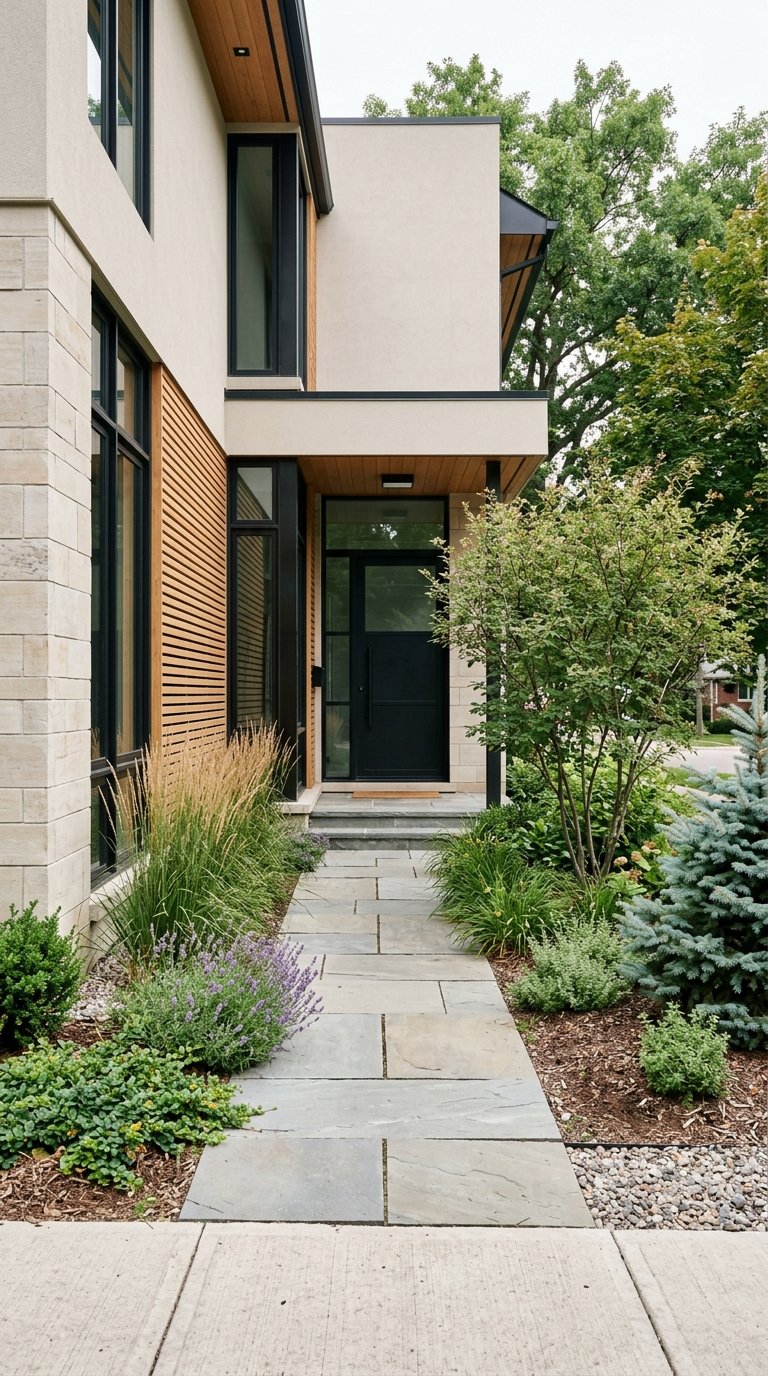
This is also the right time to tighten up curb appeal. Fresh mulch, trimmed landscaping, a well-kept lawn, and a neat entry can improve the first impression before buyers even step inside.
Areas buyers notice first
If you need to prioritize, focus on the rooms that tend to matter most in showing and photo appeal:
- Living room
- Primary bedroom
- Kitchen
These spaces often shape a buyer’s overall impression of the home. When they feel bright, clean, and easy to imagine living in, the rest of the property tends to show better too.
1 to 2 weeks before listing
This is the staging and media phase. By now, repairs and cleaning should already be done, because photography works best when the home is fully show-ready.
Staging can make a real difference. Recent industry survey results found that most buyers’ agents believe staging helps buyers visualize the property as a future home, and many say it affects buyers’ view of the home most of the time.
Staging does not have to mean replacing everything you own. Often, it means simplifying layouts, improving flow, adding balance, and making the main living spaces feel calm and functional.
Photos and video matter because they create your first showing online. If the home is not ready before the camera arrives, you may weaken the launch before buyers ever book a tour.
Final pre-list checklist
- Finish all cleaning and touch-ups
- Remove excess furniture or clutter
- Stage the living room, kitchen, and primary bedroom
- Replace any last burned-out bulbs
- Open blinds and brighten dark areas
- Confirm the home is photo-ready before media day
Launch week
The best advice for launch week is simple: go live only when the home is ready. In an active market, the first impression matters a lot, and the first one to two weeks can be the most important feedback window.
Your marketing plan should be built around current market conditions, recent comparable sales, and full listing exposure. That may include MLS marketing, open houses, virtual tours, and other listing assets that help buyers engage with the home quickly.
Once your listing is active, keep the home clean, safe, and ready for short-notice showings. Buyers may want to tour with little warning, and a flexible showing plan can help you capture early demand.
If interest is softer than expected, do not wait too long to reassess. In many cases, the right adjustment is a sharper price, better presentation, or a shift in launch strategy rather than simply waiting and hoping.
Pricing and presentation work together
One of the biggest seller mistakes is treating price and presentation as separate decisions. In reality, they support each other.
A polished home can help justify your price by reducing buyer objections. A realistic price can help buyers feel motivated to act before the listing goes stale. In Centennial 80015, where activity is healthy but buyers can be selective, you usually need both.
That is why a disciplined plan matters. When you combine strategic pricing, complete disclosures, smart prep, and strong listing media, you give your home a better chance to stand out early.
If you are aiming for a spring listing, it can also help to back-plan months ahead. National seasonal data for 2026 pointed to mid-April as the strongest week to list, which makes early prep especially important if you want to hit a prime launch window without rushing.
Selling in 80015 does not have to feel overwhelming. With the right timeline, you can make thoughtful decisions, stay ahead of deadlines, and bring your home to market in a way that matches what today’s buyers are actually looking for.
When you are ready to build a pricing and prep plan for your sale, Gregory Ramsey can help you approach the process with clear communication, local market insight, and a calm, strategic game plan.
FAQs
How early should you start preparing to sell a home in Centennial 80015?
- A practical window is about 6 to 12 weeks before listing, and longer if your home needs permitted work or larger repairs.
Do you need a pre-list inspection before selling a home in Centennial 80015?
- No, a pre-list inspection is not required, but it can help you uncover issues before buyers do and give you more time to plan repairs or disclosures.
What disclosures matter when selling a home in Colorado?
- Key items include the current Seller’s Property Disclosure form, required radon disclosures and brochure, and lead-based paint disclosures for homes built before 1978.
Should you make major repairs before listing a home in Centennial 80015?
- Not always, but you should price out significant issues because buyers will often factor visible repairs or deferred maintenance into their offers and negotiations.
How important is staging when selling a home in Centennial 80015?
- Staging can be very helpful because it often makes it easier for buyers to visualize the home and may improve how the property is perceived in photos and in person.
What should you watch during the first weeks after listing a home in Centennial 80015?
- Pay close attention to showing activity, online engagement, and buyer feedback during the first one to two weeks, since that is usually the key window for judging whether pricing and presentation are working.