Looking for a Denver-area suburb where daily life feels organized, outdoorsy, and convenient? Highlands Ranch often stands out because it offers a strong mix of homes, open space, recreation, and practical commuter access in one master-planned community. If you are trying to decide whether it fits your lifestyle, this guide will walk you through what everyday living in Highlands Ranch really looks like. Let’s dive in.
Highlands Ranch at a Glance
Highlands Ranch is a 22,000-acre master-planned community in Douglas County, about 12 miles south of Denver. It is unincorporated, which means it is not a city, and services are provided through the Highlands Ranch Metro District, the Highlands Ranch Community Association, Douglas County, and other special districts.
That structure helps explain why the community often feels so well organized. Official planning materials describe the original concept as a balance of development, open space, and community use, with roughly 50% development, 40% open space, and 10% community use.
Today, Highlands Ranch has about 103,000 residents, with 38,550 households across 24.27 square miles. That scale gives you a large, established suburban community, but one that still feels planned rather than scattered.
Homes in Highlands Ranch
Housing Types You Can Expect
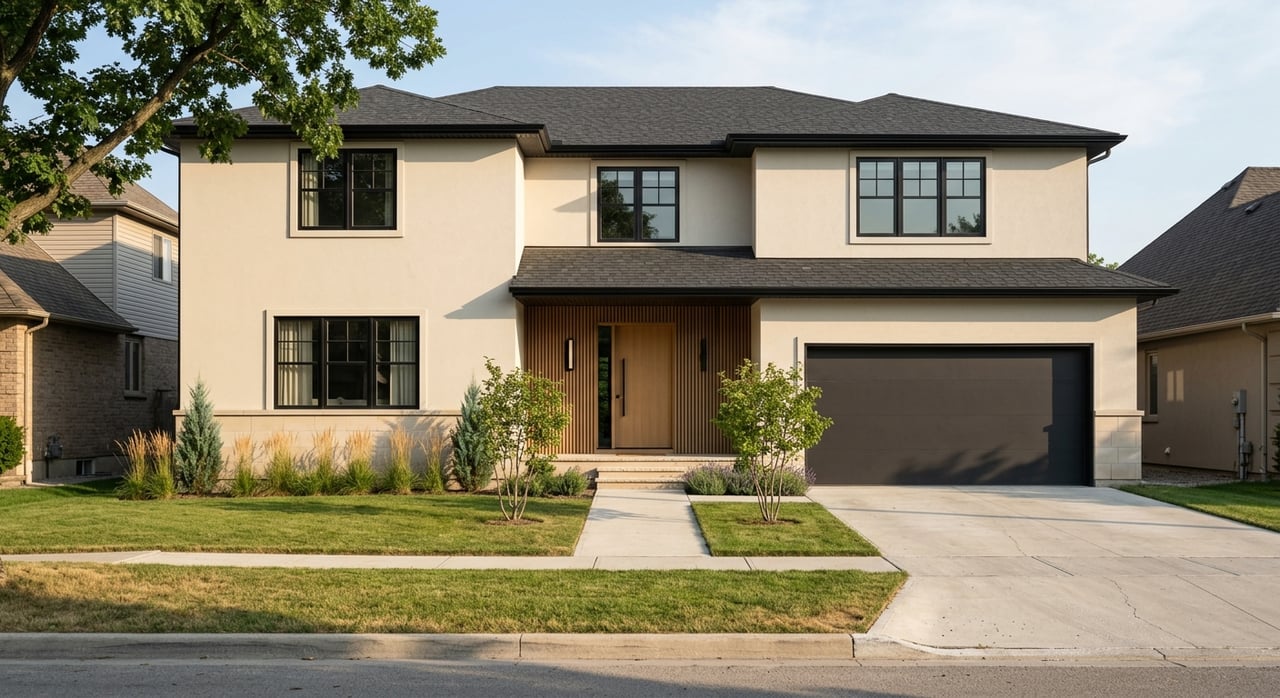
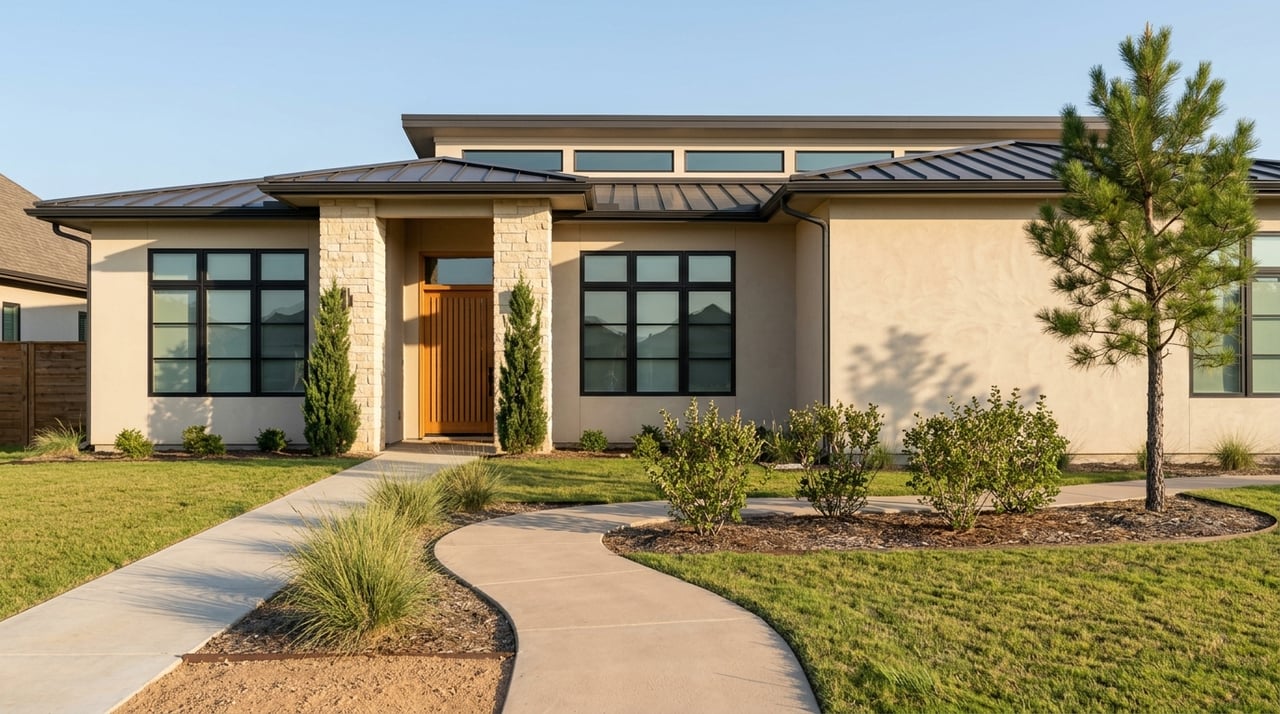
Highlands Ranch is best known for detached homes, but it is not limited to one housing style. Local planning materials describe zoning for roughly 29,390 single-family homes and 8,410 multi-family units, plus more than 1,100 acres of developed commercial property.
For buyers, that means you can find a broader housing mix than many people expect. Depending on your goals, you may see options that fit first-time buyers, move-up buyers, downsizers, and people who want lower-maintenance living.
Ownership and Cost Context
The area is predominantly owner-occupied, with a 78.1% owner-occupied housing rate. Census data also reports a median owner-occupied home value of $712,700, median monthly owner costs of $2,823 with a mortgage, and median gross rent of $2,531.
Those numbers do not tell you what every home costs, but they do give you a useful baseline. Highlands Ranch is an established suburban market where housing costs typically reflect both location and the depth of community amenities.
The Feel of Daily Living
One of the most distinctive things about Highlands Ranch is how often homes connect to open space. The Metro District says more than 4,700 homes back to open-space areas, which gives many parts of the community a more open and outdoor-oriented feel.
You will also notice that much of the landscape is more natural than manicured. Open-space areas are managed as short-grass prairie and mixed native habitat, so the setting often feels less like a traditional lawn-centered suburb and more like a suburban community with a strong Colorado outdoor edge.
Parks and Open Space
A Large Park System
If parks matter to your day-to-day lifestyle, Highlands Ranch offers a lot of built-in access. The Metro District manages 26 public parks, 4 dog parks, more than 2,644 acres of open space, and more than 70 miles of trail.
That matters because these amenities are not tucked into one corner of the community. They are woven into everyday life, which makes it easier to fit outdoor time into a normal week instead of saving it only for weekends.
More Than Basic Green Space
The park system includes a wide range of amenities beyond playgrounds and open lawns. Official materials note features such as skate parks, pickleball, tennis, fishing ponds, community gardens, dog-off-leash areas, a historic park, and an equestrian area.
That variety gives the community a practical kind of flexibility. Whether you want a place to walk the dog, spend time outdoors, or stay active close to home, the options are already part of the local layout.
Trails in Highlands Ranch
Trail Access Is Part of the Lifestyle
Highlands Ranch is especially appealing if you want easy access to trails without leaving your neighborhood. The Metro District manages more than 70 miles of trail, with surfaces that include concrete, crusher-fine or gravel, and single-track routes.
The district also notes that the trail network serves both recreation and transportation purposes. In other words, trails here are not only scenic amenities. They are part of how many residents move through the community for walks, runs, bike rides, and day-to-day connections.
Trail-Friendly, Not Urban Walkable
A common question is whether Highlands Ranch is walkable. The most accurate answer is that it is trail-friendly and amenity-rich, but it is not urban walkable in the way a dense city neighborhood might be.
You can enjoy a substantial internal trail system and easy access to parks and recreation, but the community still functions primarily around driving and park-and-ride use. For many buyers, that combination feels like a good middle ground between suburban space and everyday convenience.
Recreation Centers and Weekend Life
Four Recreation Centers
Highlands Ranch adds another layer of convenience through the four Highlands Ranch Community Association recreation centers: Northridge, Southridge, Eastridge, and Westridge. These are not just simple fitness rooms.
Official center information highlights amenities such as pools, fitness areas, tracks, courts, climbing walls, indoor turf, batting cages, pickleball, pottery, and other activity spaces. Eastridge includes a climbing wall and sand volleyball, Southridge includes a pottery studio and golf or multisport simulator, and Westridge includes indoor turf, pickleball courts, and batting cages.
A Community Built Around Activity
HRCA programming goes well beyond gym access. Official activity categories include swimming, camps, arts, sports, fitness, hiking, horseback riding, archery, and senior programs.
That broad lineup shapes the rhythm of everyday life. A normal week in Highlands Ranch can easily include a trail walk, a rec-center workout, a weekend park visit, or time spent at a program or activity close to home.
The Backcountry Wilderness Area
One of Highlands Ranch’s most distinctive outdoor features is the Backcountry Wilderness Area. HRCA describes it as an 8,200-acre conservation space with 26 miles of scenic trails and more than 25 miles of natural-surface trails for hiking, biking, trail running, and other outdoor use.
The Backcountry also supports programs tied to horseback riding, archery, hunting, and environmental education. For buyers who want a suburb with a stronger connection to nature, this adds a unique layer that goes beyond the average neighborhood trail system.
Commuting From Highlands Ranch
Driving and Transit Basics
Highlands Ranch is still a driving-oriented suburb, but it offers several useful transit touchpoints. Census data reports a mean travel time to work of 24.2 minutes, which gives some context for daily commuting patterns.
For transit users, RTD provides park-and-ride access at Highlands Ranch Town Center and C-470/University Blvd, both with free parking. Highlands Ranch Town Center is served by routes 0B and 402L, while C-470/University Blvd is served by route 24.
Connecting to Rail and Job Centers
Route 0B runs between Highlands Ranch Town Center and Englewood Station, creating a one-transfer path into RTD’s rail network. Route 402L links Highlands Ranch Parkway to Littleton/Mineral Station and County Line Station, and route 24 runs from C-470/S University Park-n-Ride toward 40th & Colorado Station along University Boulevard.
County Line Station, near I-25 and Park Meadows Mall, serves the E and R rail lines and also connects to route 402L. For Denver Tech Center commuters, RTD’s DTC FlexRide service area in the corridor between Belleview and Sky Ridge stations can provide a useful first- and last-mile option when combined with bus and rail.
Who Highlands Ranch Often Fits Best
Highlands Ranch tends to appeal to buyers who want a structured suburban environment with strong built-in amenities. If you value parks, trails, recreation centers, open space, and a community that feels planned and established, it often checks a lot of boxes.
It can also make sense if you want housing variety within a larger suburban setting. Because the community includes both a large single-family base and a meaningful multi-family component, buyers can often compare different home types while staying in the same general area.
At the same time, it is helpful to go in with the right expectations. Highlands Ranch offers convenience and outdoor access, but it is not a dense urban neighborhood, and your day-to-day routine will likely still involve driving for many errands and commutes.
If you are weighing Highlands Ranch against other Denver-area suburbs, the key is to look beyond square footage alone. The real value here often comes from how homes, trails, parks, recreation, and commuter options work together in everyday life.
If you want help comparing Highlands Ranch with other nearby communities, or narrowing down the right fit for your goals, Gregory Ramsey can help you evaluate neighborhoods with a calm, strategic approach.
FAQs
What is everyday life like in Highlands Ranch, Colorado?
- Everyday life in Highlands Ranch is shaped by a master-planned suburban layout, with homes, parks, recreation centers, open space, and trails built into the community.
What kinds of homes are available in Highlands Ranch?
- Highlands Ranch includes a large number of single-family homes along with a meaningful multi-family housing component, giving buyers a range of options.
How many parks and trails does Highlands Ranch have?
- The Highlands Ranch Metro District manages 26 public parks, 4 dog parks, more than 2,644 acres of open space, and more than 70 miles of trail.
Are the trails in Highlands Ranch useful for daily living?
- Yes. Official district materials say the trail system supports both recreation and transportation, making it useful for walks, runs, bike rides, and local connections.
Does Highlands Ranch have recreation centers?
- Yes. HRCA operates four recreation centers: Northridge, Southridge, Eastridge, and Westridge, with amenities such as pools, fitness areas, courts, climbing walls, indoor turf, and activity spaces.
Is Highlands Ranch walkable or car-dependent?
- Highlands Ranch is better described as trail-friendly and amenity-rich than urban walkable, and it still functions primarily around driving and park-and-ride use.
Is Highlands Ranch a city?
- No. Highlands Ranch is an unincorporated community in Douglas County, with services provided through the Metro District, HRCA, Douglas County, and other special districts.
What is the Backcountry Wilderness Area in Highlands Ranch?
- The Backcountry Wilderness Area is an 8,200-acre conservation space managed by HRCA, with scenic trails and outdoor programs including hiking, biking, trail running, horseback riding, archery, and environmental education.